• Adrian Goldsworthy – Greece & Rome at War

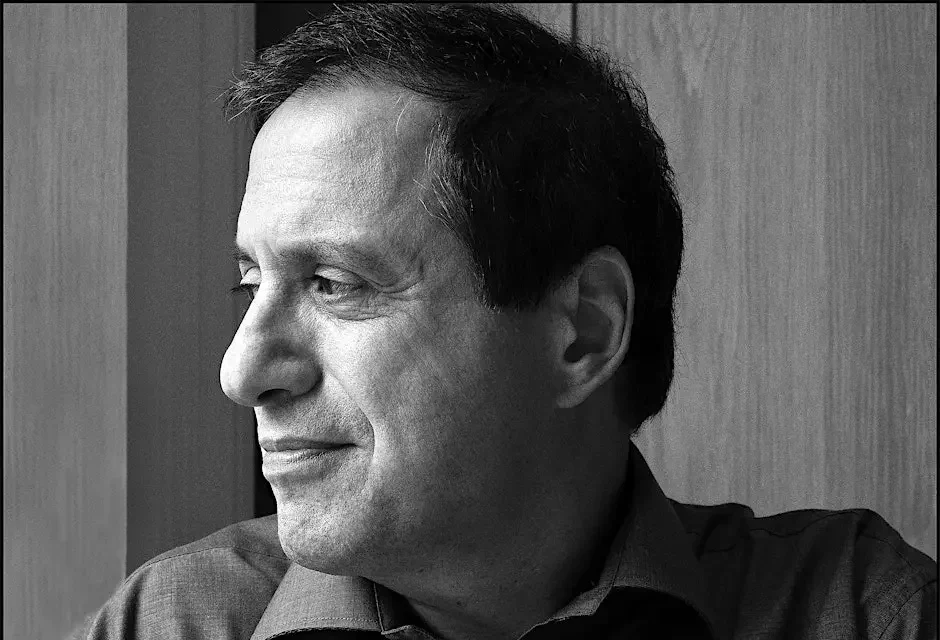
    Adrian Goldsworthy – Greece & Rome at War

    Robert Beddard Room Oriel College, Oxford, United Kingdom

    There are traces of violence and warfare from the earliest periods of human history, and by the Classical era wars were common events and, along with politics, became the major concern of historians. Greeks defeated Persian invasions, then fought each other. Alexander swept through the Persian empire. Rome and Carthage waged war on an immense scale, and at the end of it the Carthaginian Republic was eradicated. Rome created and maintained through military force an empire embracing much of the known world.

    Wars were important and shaped the development of the ancient world, but how should we understand them? Battles were major events, sometimes deciding wars, and were clearly important and need to be understood. Yet there was a lot more to ancient warfare than pitched battles, and it is vital to look at the attack and defence of fortified settlements and strongholds, and at lower level raids and skirmishes. The story of warfare in the Greek and Roman worlds is not simple, but remains of fundamental importance for understanding the era.

    Adrian Goldsworthy is an historian and novelist who specialises in ancient Roman history. His most recent work is The Eagle and the Lion: Rome, Persia and an Unwinnable Conflict, which was published in 2023

    Free
  • Justin Marozzi – Islam and Slavery

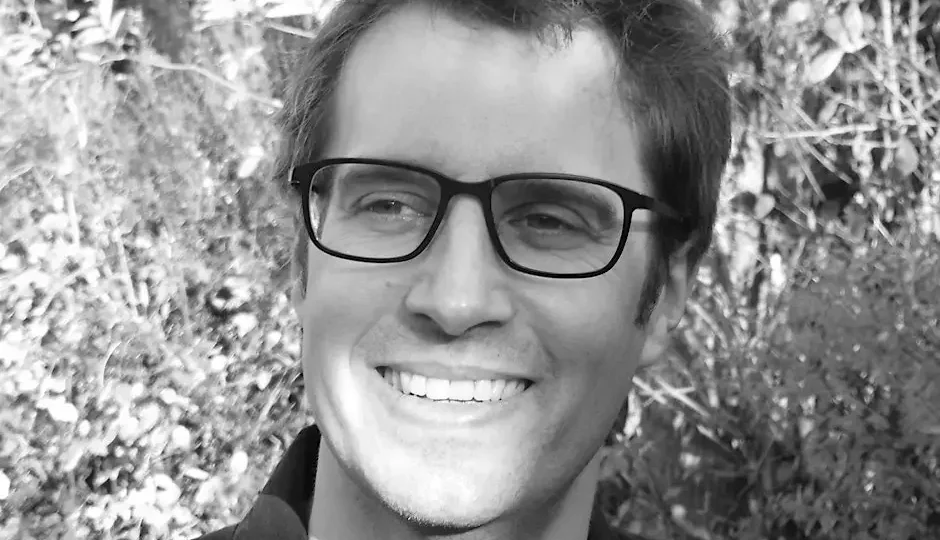
    Justin Marozzi – Islam and Slavery

    Holywell Music Room Wadham College, Holywell St, Oxford, Oxfordshire, United Kingdom

    Marozzi brings to life the complexity and humanity of the Islamic world’s entanglement with slavery using an extraordinary range of sources, across more than a millennium and across sweeping geographies. Not just a mesmerising book, but a profoundly important one too’.

  • Reidar Due – The Ethics of Responsibility

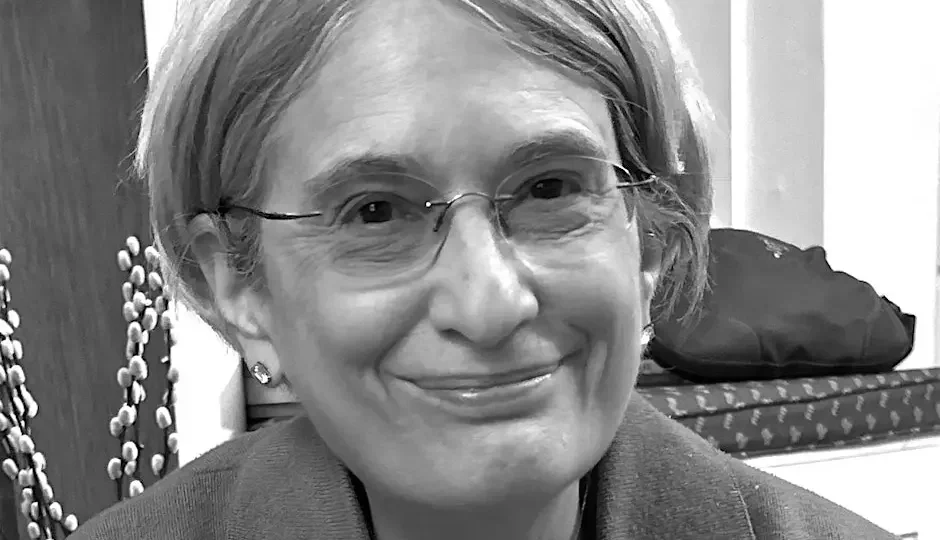
    Reidar Due – The Ethics of Responsibility

    Pusey House, Ursell Room

    Focusing on the works of Paul Ricoeur and Jacques Derrida, these lectures present a tradition of philosophical ethics in France. This ethics does not concern what we should do. Ethics concerns responsibility in an extensive, immaterial sense: how can you be a person who takes responsibility beyond your immediate personal and social interests? We shall see how for Ricoeur this leads to a reflection on memory as a responsibility for the past and for Derrida it entails a conception of political utopia understood as responsibility for the unfulfilled hopes of history.

  • Reidar Due – The Ethics of Responsibility

    Reidar Due – The Ethics of Responsibility

    Pusey House, Ursell Room

    Focusing on the works of Paul Ricoeur and Jacques Derrida, these lectures present a tradition of philosophical ethics in France. This ethics does not concern what we should do. Ethics concerns responsibility in an extensive, immaterial sense: how can you be a person who takes responsibility beyond your immediate personal and social interests? We shall see how for Ricoeur this leads to a reflection on memory as a responsibility for the past and for Derrida it entails a conception of political utopia understood as responsibility for the unfulfilled hopes of history.

  • Reidar Due – The Ethics of Responsibility

    Reidar Due – The Ethics of Responsibility

    Pusey House, Ursell Room

    Focusing on the works of Paul Ricoeur and Jacques Derrida, these lectures present a tradition of philosophical ethics in France. This ethics does not concern what we should do. Ethics concerns responsibility in an extensive, immaterial sense: how can you be a person who takes responsibility beyond your immediate personal and social interests? We shall see how for Ricoeur this leads to a reflection on memory as a responsibility for the past and for Derrida it entails a conception of political utopia understood as responsibility for the unfulfilled hopes of history.

  • Reidar Due – The Ethics of Responsibility

    Reidar Due – The Ethics of Responsibility

    Pusey House, Ursell Room

    Focusing on the works of Paul Ricoeur and Jacques Derrida, these lectures present a tradition of philosophical ethics in France. This ethics does not concern what we should do. Ethics concerns responsibility in an extensive, immaterial sense: how can you be a person who takes responsibility beyond your immediate personal and social interests? We shall see how for Ricoeur this leads to a reflection on memory as a responsibility for the past and for Derrida it entails a conception of political utopia understood as responsibility for the unfulfilled hopes of history.