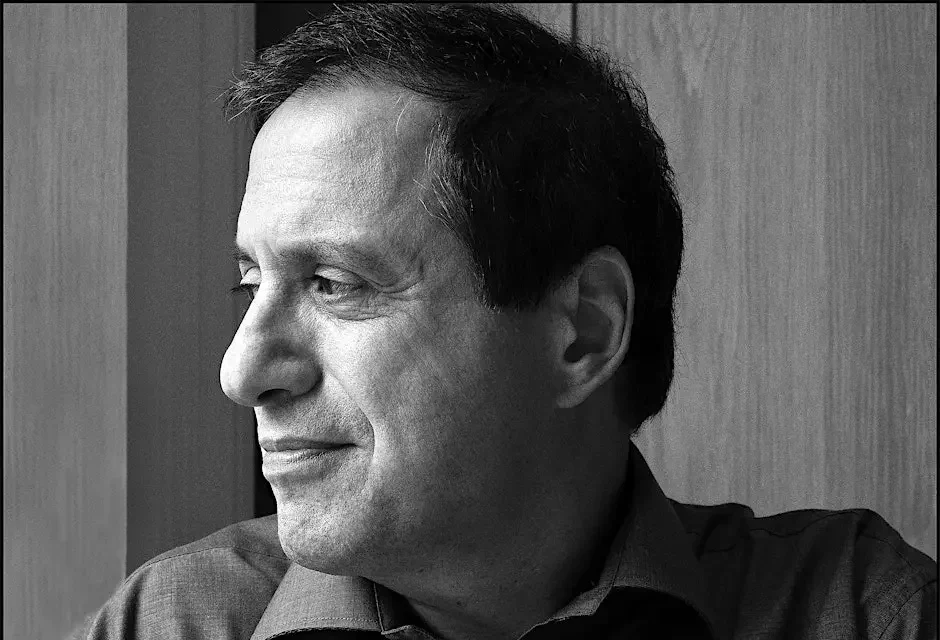
Armand d’Angour – Songmaking to Socrates: New Light on Ancient Classics Jul 6 Armand d’Angour – Songmaking to Socrates: New Light on Ancient Classics 5:00 pm - 6:00 pm
Armand d’Angour – Songmaking to Socrates: New Light on Ancient Classics Jul 13 Armand d’Angour – Songmaking to Socrates: New Light on Ancient Classics 5:00 pm - 6:00 pm
Armand d’Angour – Songmaking to Socrates: New Light on Ancient Classics Jul 20 Armand d’Angour – Songmaking to Socrates: New Light on Ancient Classics 5:00 pm - 6:00 pm
Armand d’Angour – Songmaking to Socrates: New Light on Ancient Classics Jul 27 Armand d’Angour – Songmaking to Socrates: New Light on Ancient Classics 5:00 pm - 6:00 pm
Armand d’Angour – Songmaking to Socrates: New Light on Ancient Classics Aug 3 Armand d’Angour – Songmaking to Socrates: New Light on Ancient Classics 5:00 pm - 6:00 pm
Armand d’Angour – Songmaking to Socrates: New Light on Ancient Classics Aug 10 Armand d’Angour – Songmaking to Socrates: New Light on Ancient Classics 5:00 pm - 6:00 pm
Armand d’Angour – Songmaking to Socrates: New Light on Ancient Classics Aug 17 Armand d’Angour – Songmaking to Socrates: New Light on Ancient Classics 5:00 pm - 6:00 pm
Armand d’Angour – Songmaking to Socrates: New Light on Ancient Classics Aug 24 Armand d’Angour – Songmaking to Socrates: New Light on Ancient Classics 5:00 pm - 6:00 pm
Armand d’Angour – Songmaking to Socrates: New Light on Ancient Classics Aug 31 Armand d’Angour – Songmaking to Socrates: New Light on Ancient Classics 5:00 pm - 6:00 pm
Armand d’Angour – Songmaking to Socrates: New Light on Ancient Classics Sep 7 Armand d’Angour – Songmaking to Socrates: New Light on Ancient Classics 5:00 pm - 6:00 pm
Armand d’Angour – Songmaking to Socrates: New Light on Ancient Classics Sep 14 Armand d’Angour – Songmaking to Socrates: New Light on Ancient Classics 5:00 pm - 6:00 pm
Armand d’Angour – Songmaking to Socrates: New Light on Ancient Classics Sep 21 Armand d’Angour – Songmaking to Socrates: New Light on Ancient Classics 5:00 pm - 6:00 pm
Armand d’Angour – Songmaking to Socrates: New Light on Ancient Classics Sep 28 Armand d’Angour – Songmaking to Socrates: New Light on Ancient Classics 5:00 pm - 6:00 pm
Armand d’Angour – Songmaking to Socrates: New Light on Ancient Classics Oct 5 Armand d’Angour – Songmaking to Socrates: New Light on Ancient Classics 5:00 pm - 6:00 pm
Armand d’Angour – Songmaking to Socrates: New Light on Ancient Classics Oct 12 Armand d’Angour – Songmaking to Socrates: New Light on Ancient Classics 5:00 pm - 6:00 pm